Voice-Activated Assistive Devices: Empowering the Visually Impaired Through Innovation
Ingenious Solutions in Assistive Innovation for Visual Disability
The landscape of assistive modern technology for visual problems is developing swiftly, presenting a variety of innovative options that enhance availability and independence. From sophisticated smart device applications that facilitate navigating to wearable tools developed for real-time advice, these tools are reshaping the experiences of those with aesthetic problems.
Developments in Mobile Phone Applications
In the last few years, developments in mobile phone applications have actually considerably transformed the landscape of assistive innovation for people with aesthetic problems. These applications leverage the powerful sensors and abilities of contemporary mobile phones to give customers with tools that enhance self-reliance and ease of access in their everyday lives.
Significant amongst these technologies are applications designed for object recognition, which utilize the mobile phone's camera to identify things and give spoken summaries. Such attributes encourage customers to browse their settings extra effectively, whether identifying items in shops or situating individual possessions in your home. Furthermore, text-to-speech applications have enhanced substantially, enabling users to record printed text via their tool's cam and get immediate audio feedback, therefore promoting analysis and comprehension.
Community-driven applications have cultivated social communication and source sharing among individuals with aesthetic impairments, producing a supportive network that improves their quality of life. In general, smart device applications have actually become vital allies in advertising autonomy and availability for people with aesthetic disabilities.
Wearable Gadgets for Navigation
Wearable gadgets for navigating have actually emerged as a groundbreaking service for individuals with aesthetic disabilities, providing hands-free support that boosts movement and positioning. These devices commonly use innovative technologies, consisting of GPS, ultrasonic sensors, and fabricated intelligence, to give real-time responses and instructions to users as they browse their environment.
One noteworthy instance of wearable navigation innovation is clever glasses, which can discover barriers and relay auditory or haptic comments to the wearer, enabling efficient and safe movement in numerous setups. Various other devices, such as vests and belts outfitted with sensing units, can likewise inform customers of their environments by giving notifies about close-by things or changes in terrain.
Additionally, lots of wearable devices incorporate with smartphone applications, allowing individuals to tailor their navigation choices and obtain customized route tips. This personalization can dramatically enhance the individual experience, encouraging individuals to travel with greater self-confidence and independence.
As modern technology proceeds to create, the capacity for wearable navigating tools to improve the lifestyle for people with visual problems stays significant, leading the way for more comprehensive and easily accessible environments.
Smart Home Modern Technology Combination
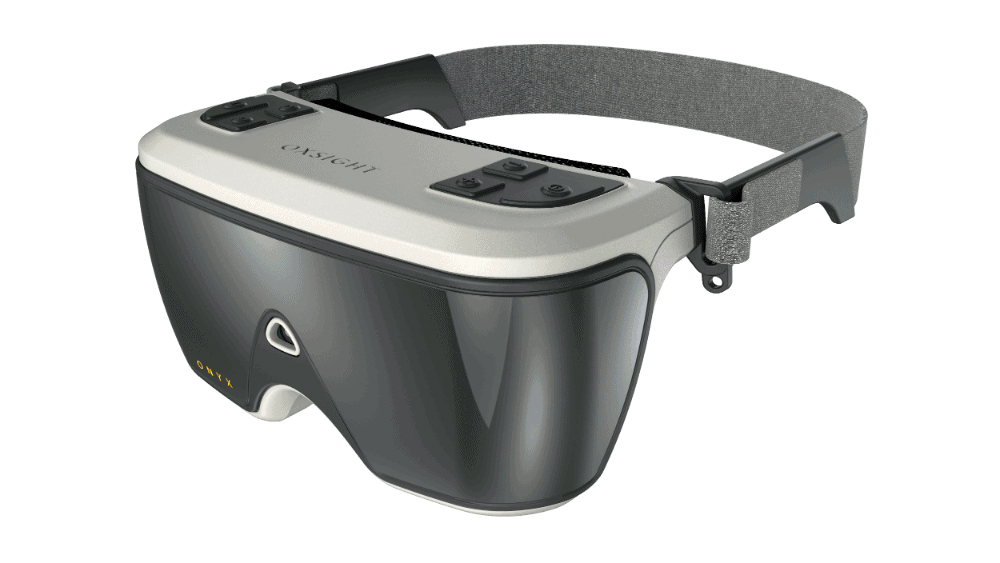
Additionally, clever devices furnished with responsive user interfaces or acoustic comments offer user-friendly communications that optometrist degree cater especially to the needs of those with visual impairments. Clever fridges can reveal their components and expiry days, while smart ovens can assist users with the cooking process with audio guidelines.
Home automation systems, such as wise doorbells and safety and security electronic cameras, offer tranquility of mind by permitting customers to obtain signals and accessibility live feeds via their mobile phones, enhancing personal safety (AI-powered visual aids). Additionally, assimilation with mobile phones and tablet computers makes certain that users can manage their home environment from anywhere within their facilities
As smart home innovation continues to develop, it holds the prospective to change the living experiences of people with visual disabilities, promoting freedom and enhancing quality of life in a progressively linked world.

Educational Tools and Resources
Accessibility to effective educational tools and resources is crucial for people with aesthetic impairments, as it empowers them to involve fully in their discovering experiences. Numerous assistive technologies have actually been created to boost ease of access and foster independent understanding.
Moreover, educational software program specifically designed for aesthetically damaged individuals uses attributes such as high-contrast modes and adjustable YOURURL.com text sizes. These devices accommodate varied discovering designs and make sure that pupils can customize their academic experience to their requirements.
Moreover, access to digital collections and audio books broadens the variety of readily available knowing materials, allowing pupils to discover subjects detailed without the limitations imposed by standard print resources. Collaborative platforms that incorporate accessibility functions likewise promote team tasks, ensuring that aesthetically impaired students can add meaningfully along with their peers.
Community Support and Engagement
A robust network of neighborhood assistance and engagement is vital for people with visual problems, fostering an inclusive atmosphere where they can flourish. Community companies, neighborhood advocacy teams, and volunteers play an essential duty in giving resources, information, and companionship, which are essential for improving the lifestyle for those affected by visual problems.

Engagement tasks such as workshops, social events, and assistance groups not only facilitate ability growth yet likewise advertise social communication, reducing sensations of isolation. These initiatives motivate individuals to share experiences, obstacles, and successes, thus strengthening neighborhood bonds. In addition, partnerships with regional services can lead to higher access in public rooms, further integrating individuals with aesthetic problems right into the area.
Modern technology likewise enhances area involvement via on-line platforms that provide online assistance groups and resources, allowing people to link no matter of geographical obstacles. By taking advantage of both in-person and digital services, neighborhoods can develop an extensive support network. Eventually, cultivating partnership amongst different stakeholders-- consisting of households, instructors, and article source medical care experts-- guarantees that individuals with visual impairments get the holistic support essential to navigate everyday life successfully and with self-respect.
Final Thought
Ingenious options in assistive modern technology for aesthetic problems dramatically improve the top quality of life for individuals dealing with these obstacles. The assimilation of smartphone applications, wearable devices, clever home modern technology, and educational tools fosters higher independence and ease of access.
The landscape of assistive innovation for visual impairment is progressing swiftly, providing a variety of cutting-edge services that improve availability and freedom. Community-driven applications have actually cultivated social interaction and source sharing amongst individuals with visual impairments, developing a helpful network that enhances their high quality of life. In general, mobile phone applications have actually come to be important allies in advertising freedom and availability for people with aesthetic disabilities.
Numerous individuals with visual problems are locating greater autonomy via the assimilation of wise home modern technology.Cutting-edge remedies in assistive innovation for visual impairment substantially boost the top quality of life for people encountering these challenges.